STAY CONNECTED: Have the stories that matter most delivered every night to your email inbox. Subscribe to our daily local news wrap.
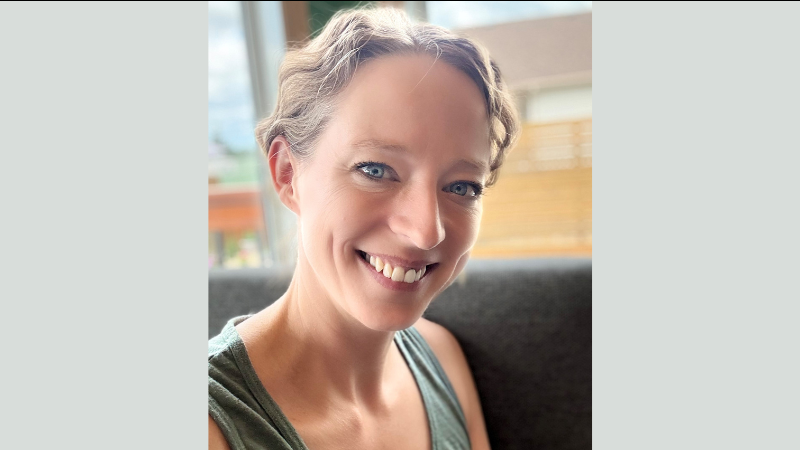
Photo Courtesy Andrea Willman
Candidate Profile

GPPSD Trustee Election Candidate Profile: Andrea Willman

Oct 7, 2025 | 12:15 PM

Andrea Willman is one of 12 individuals running for seven Grande Prairie Public School Board Trustee vacancies.

She was asked to provide a candidate bio, or answer four questions in 600 words or less.

1. What has inspired you to run for mayor/council/school trustee in the Oct. 20, 2025, municipal election?

I’m running because I believe you.

Parents: Things aren’t like they used to be. You’re not making it up.

Teachers: Our students ARE worth striking for. You’re not exaggerating.

Students: You shouldn’t grow up where equal opportunity requires a parent’s credit card.

Years of provincial underfunding have pushed our schools past the breaking point. We’re amputating programs to keep the system alive: libraries, interventions, subject-matter specialists, mental-health teams. Then we’re told the phantom pain we feel is a sign of “progress” and “efficiency.”

This is engineered scarcity.

The province cuts everything around teachers (specialists, supports, and resources), then brags about ‘protecting classrooms.’ School divisions are forced to determine where to make the cuts, triaging curricula on top of everything else. Communities hurt. Families who can afford it look for alternatives like private schools, charters, or homeschooling, further weakening public education. The province blames boards because they have “autonomy.” And trustees are bound by rules designed to value “red ink vs black ink” over classroom conditions. Speaking the truth has consequences. But so does staying silent.

I’ve been impacted by these choices too many times. Watching isn’t enough anymore.

I believe you.

2. What skills or experience do you have that you feel would make you a good fit for the role?

I’ve been advocating for public education in the ‘wrong’ rooms for years.

I’ve served on school councils and MLAs’ constituency boards. I’ve written to Ministers and the Premier with detailed analyses of how provincial funding violates the Education Act. I cited sections, ministerial orders, and funding formulas.

The response? “Talk to your school board.”

Everyone redirected me. Finally, I heard it from all sides, even current trustees: ‘If you want to talk about this, run for trustee.’ So I am.

I know how to read the budgets. I built an international business managing complex budgets across multiple countries. I serve on Camp Tamarack’s board, where we achieve real inclusion through honest accounting, enrollment caps, and staffing ratios based on need.

I spent a decade teaching junior high. Each year I was the budget cut. I left for the same reasons teachers are striking now: chronic underfunding and being treated like replaceable labour. I’m the parent who has become the squeakiest of wheels, trying to balance advocating for my kids while not asking too much of the people I know are barely holding on.

I’ve seen the shell game. I’ve read the budgets. I’ve stood in the classrooms.

3. What do you feel are the key or main election issues in your community, and what are the issues of priority for you?

The key issues I’m hearing about are interconnected: overcrowded classrooms, teacher burnout and shortages, the disappearance of specialist programs like music and art, long waitlists for assessments and support, and families leaving for private schools or homeschooling. These aren’t separate problems; they’re symptoms of chronic underfunding.

First: Prioritize expertise. We have teachers delivering curriculum outside their training: generalists teaching music, art, French, and specialized content. This increases teacher burnout and decreases student outcomes. We’re down to one elementary music specialist in our division, which means most K-4 classrooms can’t deliver the music curriculum the province legally requires. We need to staff specialized positions and protect expert teaching.

Second: Transparent communication. Section 33 of the Education Act requires boards to be accountable to the community for student achievement. Parents deserve honest data about class sizes, wait times for supports, and the gap between student needs and available resources. Reports full of averages aren’t good governance when they hide the human experience.

Third: Build community partnerships. The province needs to fund education adequately—that’s non-negotiable. But while we advocate for that funding, we can mobilize community support. Reading buddies. Lunchroom volunteers so teachers can take a break. This isn’t replacing professionals; it’s creating “some” capacity so educators can focus on teaching.

These priorities aren’t aspirational. They’re responses to what you’re already experiencing. I believe you when you say things have gotten worse. And I’m ready to fight for the resources and accountability our community deserves.

4. Where can people learn more about you?

Facebook, TikTok, and my website.