STAY CONNECTED: Have the stories that matter most delivered every night to your email inbox. Subscribe to our daily local news wrap.
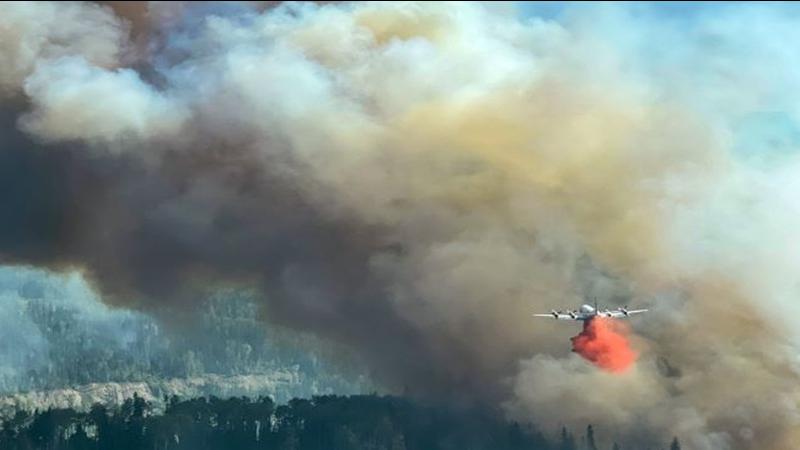
An Electra L188 airtanker drops fire retardant on a wildfire near Grande Prairie in early June. (Government of Alberta)
Provincial Politics

Wildfire activity in Alberta winding down for 2025

Dec 2, 2025 | 11:50 AM

The Alberta government says proactive planning, mitigation and new ways of working successfully reduced wildfire impacts this season, allowing the province to responded swiftly to emerging threats.

While Oct. 31 marked the official end of Alberta’s wildfire season, the province says ongoing dry conditions mean the risk of wildfire remains in several areas of the province. Fire crews continue to monitor and respond to any new fires, focusing efforts where communities or critical infrastructure could be at risk.

According to provincial officials, they entered the 2025 wildfire season with new strategies and a more efficient use of existing programs and resources. As wildfires began in April and dry conditions continued, Alberta Wildfire says it worked quickly to protect communities and limit impacts on residents and industry. While the number of fire-starts was comparable to 2024, the government says Alberta Wildfire was able to reduce the overall area burned when compared with last year.

“We started the 2025 wildfire season prepared for all challenges, and that level of readiness helped us tackle 1,200 wildfire starts quickly,” says Todd Loewen, Minister of Forestry and Parks, in a press release. “We continue to work with communities to implement programs that are helping to build wildfire resilience across Alberta. Wildfire preparation doesn’t stop – we take what we learn from each season to prepare for the next.”

In 2025, the government says Alberta piloted a new wildfire-response approach that uses hoist-equipped helicopters to rapidly insert and extract wildland firefighters from remote, hard-to-reach areas. Upgrades to Alberta’s fire weather network are also said to have improved response planning by delivering more accurate information about where and when wildfires could start and how intense they could become. Additionally, Alberta’s expansion of Wildland Urban Interface crews added another important layer of defence for communities and critical infrastructure near wildland.

“The safety of Albertans and their communities remains our top priority,” adds Mike Ellis, Minister of Public Safety and Emergency Services. “That’s why we invested in the expansion of our Wildland Urban Interface program. We have witnessed the destruction that wildfires can cause, and we are ensuring that we have the training, equipment and people in place to protect our communities and build resilience.”

Government officials say their focus on mitigation helped protect northern regions that experienced extended periods of dry conditions and increased fire risk throughout the summer. Most wildfire activity this year occurred in the central part of Alberta’s boreal forest, where extreme drought conditions persisted.

The province says it remains ready to respond to new wildfire starts and continues to invest in mitigation efforts including building fireguards, expanding community education through the FireSmart program and implementing the Community Hazardous Fuels Reduction Program.

Alberta government quick facts

  • Budget 2025 provided $160 million in base funding for wildfire personnel, equipment, training and contracts for aircraft, dozers and night vision equipped helicopters.
  • Alberta Wildfire responded to more than 1,200 wildfires in the Forest Protection Area this year, roughly the same number as 2024 and exceeding the five-year average by more than 100.
    • Over 85 per cent of new wildfire starts in 2025 were kept under two hectares in size.
    • On average, the wildfire size in 2025 was 556 hectares, compared to 604 hectares in 2024.
  • Human activity, including all activities conducted by Albertans, caused 60 per cent of wildfires in 2025, and lightning strikes caused 37 per cent. Investigations into the causes of the remaining wildfires are still underway.
  • Alberta had almost 1,300 Alberta firefighters and support staff managing wildfires across the province.