STAY CONNECTED: Have the stories that matter most delivered every night to your email inbox. Subscribe to our daily local news wrap.
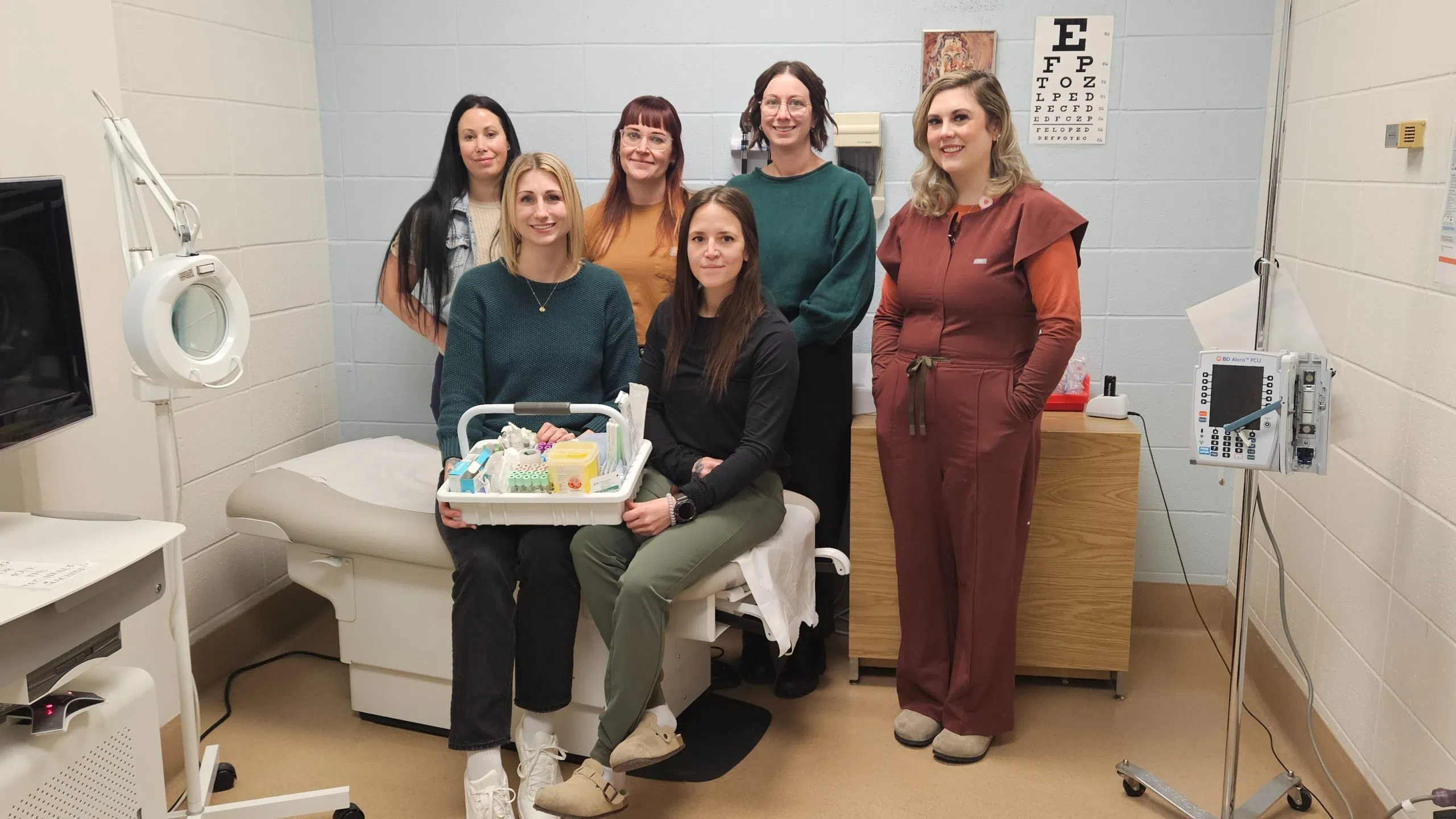
Members of Recovery Alberta’s Correctional Health Services team gather in an exam room at the Red Deer Remand Centre. Pictured left-right back row are Robin (Health Services Manager), Jennifer (Registered Nurse), Ceanna (Nurse Practitioner), and Hope (Licensed Practical Nurse). Seated in the front row are Alex (Clinical Nurse Educator) and Victoria (Registered Psychiatric Nurse). (Image Credit: Recovery Alberta/Supplied)
Opt-out testing

Syphilis case numbers fall in Alberta’s correctional facilities

Mar 2, 2026 | 10:51 AM

Recovery Alberta has reported that the number of syphilis cases within provincial correctional facilities has decreased.

A total of 701 cases of syphilis were detected and treated in 2022 in the provinces’ 10 jails, but by 2024, that number had decreased to 356.

Angela Draude, senior operating officer of Correctional Health Services, credited opt-out testing as the main factor for the drop.

She said opt-out testing is a proactive approach to go to the clients and ask if they’d like to be tested as they enter the institution. They automatically test for it unless the individuals don’t give consent.

“With that, we found we have a way higher uptake in the clients actually accepting the testing… Then we are able to do the education and treatment with them at that time,” she said.

This type of testing, which includes testing for several types of sexually transmitted infections, replaced the opt-in program that required the clients to ask for testing based on symptoms.

What led to the decision, Draude said, came after the results of a pilot project showed that clients were accepting the screening at a higher rate.

All patients who test positive are offered treatment and connected to follow-up care.

“From the pilot, we absolutely said this was successful in Edmonton, and we needed to roll it out across the province in all 10 of our facilities,” Draude said.

She explained that illnesses that become prevalent within correctional facilities often reflect what’s happening within the province as a whole.

“We are fortunate to be able to provide care to those incarcerated and those who took the opportunity to work with them to improve their health, but also the overall well-being of the province,” she added.