STAY CONNECTED: Have the stories that matter most delivered every night to your email inbox. Subscribe to our daily local news wrap.
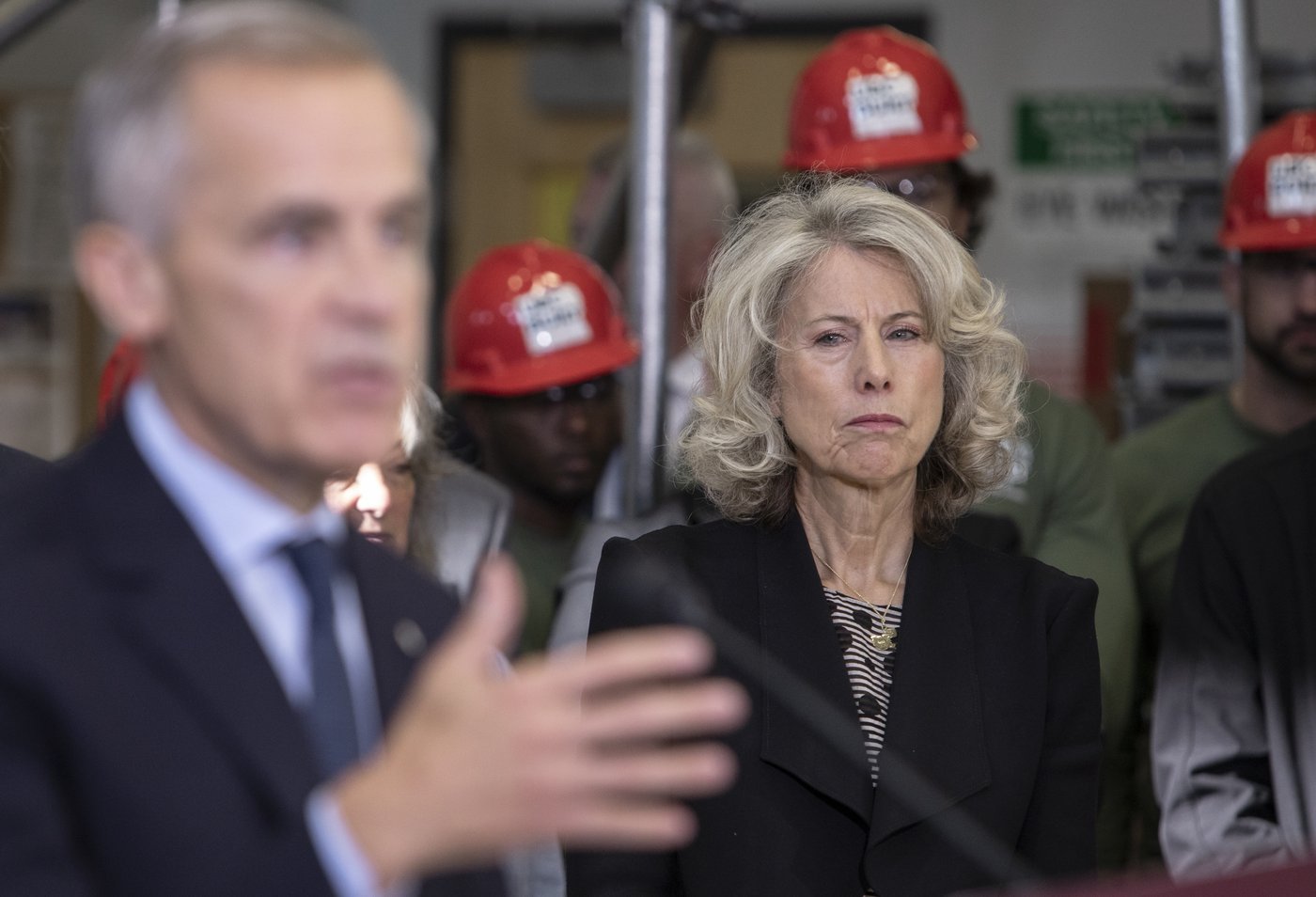
The head of the new federal government Major Projects Office Dawn Farrell listens as Prime Minister Mark Carney announces five major projects in Edmonton on Thursday, Sept. 11, 2025. THE CANADIAN PRESS/Amber Bracken

Indigenous groups given just two months to consult on pipeline project designation

Oct 1, 2026 | 11:07 AM

OTTAWA — Indigenous communities along the expected route for the newly announced West Coast oil pipeline were given just two months for consultations about whether the pipeline should be designated a project of national interest — and that was still more than the government first planned.

The consultations at first were to take place over one month but were extended to two months after Indigenous leaders raised concerns about the tight timeline.

A summary of those consultations posted online by the federal government says Indigenous groups decried the lack of information about the project, which they said prevented them from fully assessing its impact.

Prime Minister Mark Carney promised his major projects agenda would not interfere with Canada’s obligations under the United Nations Declaration on the Rights of Indigenous Peoples. Indigenous leaders warned his government risks violating their rights with “national interest” designations through the Major Projects Office and the controversial Building Canada Act.

Carney said Thursday the pipeline has received the first national interest designation under that bill, which will streamline oversight and approvals. Over the next year the government will now work toward completing consultations on the project itself, as well as environmental safeguards, financing and Indigenous partnerships. It wants to begin construction in September 2027.

The Assembly of First Nations told The Canadian Press it has identified “many red flags” in the pipeline’s national interest designation and says the federal government appears to be predetermining outcomes and approving projects in advance of meaningful consultations.

“The government’s decision today is coming only 12 days after the consultation deadline. As we have said on many occasions, First Nations support economic development and prosperity for all, but not at the expense of our rights, the planet, and the government’s legal obligations to our people,” the statement says.

The United Nations declaration — which Canada adopted — outlines the need for free, prior and informed consent before decisions are made that could adversely affect the rights and lands of Indigenous communities and people. Indigenous communities also have recognized rights under Section 35 of the Constitution.

The UN declaration is cited in the pipeline consultation documents, which say Ottawa’s engagement efforts were designed with those principles in mind.

The consultation document says more than 130 Indigenous communities could be affected by the pipeline route and the Major Projects Office sent a letter in July to those communities to begin consultations.

Indigenous communities warned during those consultations that their participation would be held back by summer harvesting, ceremonial gatherings and wildfires, which threatened many communities and forced evacuations.

The office then extended the consultation deadline from Aug. 28 to Sept. 18.

The document says the office held over 140 meetings with representatives from more than 110 Indigenous organizations and communities.

Many communities told those consultations they lacked information about the project they needed to make informed decisions — things like routing, engineering and design, environmental effects, marine shipping, emergency responses and impacts on Aboriginal and treaty rights.

Those concerns were cited both by communities that backed the project and those that didn’t.

Despite the compressed timeline, the federal document says the Major Projects Office is satisfied that it has provided a meaningful opportunity for consultations, and that further questions can be addressed as they arise.

“The GIC is satisfied that these processes provide an appropriate framework through which potential adverse impacts on Aboriginal and treaty rights, including specific concerns already raised in consultation, can be further addressed before any final federal authorizations are issued,” the document says.

Assembly of First Nations National Chief Cindy Woodhouse Nepinak has said staff in the Major Projects Office do not have an understanding of how to work with First Nations communities and that “junior staffers” aren’t helping build relationships.

“They have a lot of work to do,” she said at a news conference in Ottawa last week.

She also said CEO Dawn Farrell has been unavailable to meet with leadership, including at Assembly of First Nations gatherings.

This report by The Canadian Press was first published Oct. 1, 2026.

— With files from Nick Murray

Alessia Passafiume, The Canadian Press