STAY CONNECTED: Have the stories that matter most delivered every night to your email inbox. Subscribe to our daily local news wrap.
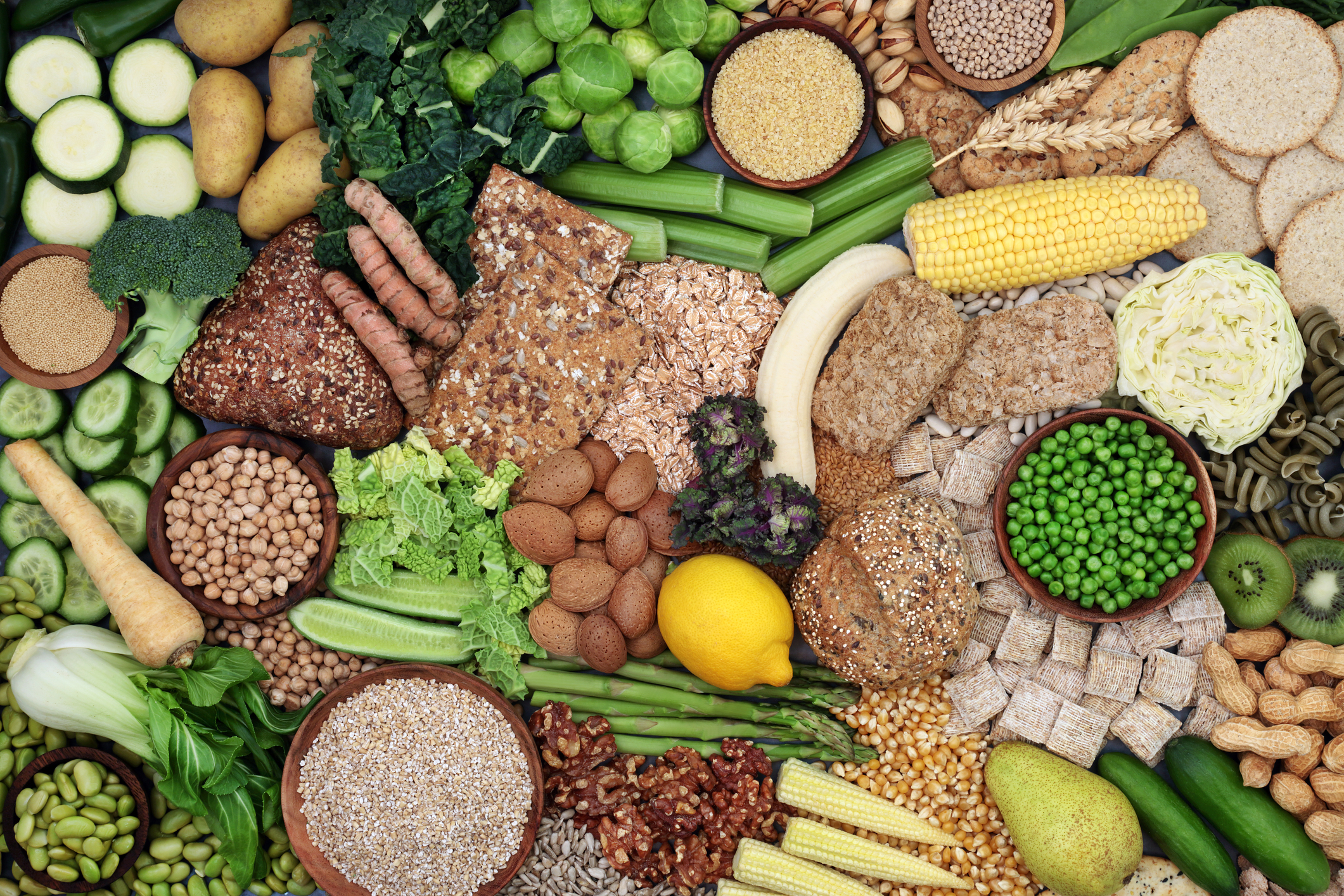
Plant based high fibre health food for gut health with fruit, vegetable, grain & cereal products.
ID 223706990 © Marilyn Barbone | Dreamstime.com
PRO TIPS

The Health of Our Gut

Oct 1, 2026 | 11:52 AM

We all experience digestive discomfort from time to time – maybe it was that big meal, too much cheese, or something just isn’t sitting right. But for 18% of Canada’s population – most of those being women – digestive upheaval in the form of Irritable Bowel Syndrome is more than just a temporary upset. For these individuals, IBS is a seriously disruptive, ongoing part of their lives. But an IBS diagnosis doesn’t have to be end of a hopeless discussion – rather it can be the beginning of understanding what affects your body, and what you can do to feel better!

IBS Symptoms

IBS is usually known by symptoms like constipation, diarrhea (or alternating between the two), abdominal pain, cramping, and gas. But there are also a few symptoms that stand out uniquely in IBS, such as

  • Anxious & depressive tendencies
  • Mucus in stool
  • Frequent urination
  • Insomnia
  • Brain fog

Of course, it’s always prudent to see a doctor to rule out other gut issues that can mimic IBS, such as Celiac disease, lactose intolerance, or the presence of parasites or harmful bacteria. But once you are reasonably certain that you suffer from an irritable bowel there are certain nutritional and lifestyle factors we can look at in order to address the issue: stress and diet

Stress

Chronic stress has many physiological effects and can play a substantial role in gut function. Sometimes it can cause the intestines to tense up, or it can cause spasms or irregular muscle contractions, driving irritable bowel symptoms. There have been numerous links between conditions like depression, anxiety, fatigue, and trauma – and IBS. It’s important then to factor in the impact of stress as you look to address your symptoms. Of course, eliminating stress is not always easy or doable, but we can work to reduce or mitigate it in a few ways:

  • Take time for yourself
  • Exercise healthy boundaries
  • Take time for friendship, connection, and community


  • Journal it out or talk with a trusted friend or family member
  • Find a quiet space and do a body scan
  • Prioritize sleep
  • Accept help when it’s offered
  • Reduce or eliminate caffeine
  • Get moving with physical activity you enjoy

Diet

Though we may eat the foods we like, those foods may not like us back. Often, diet can be a significant contributor to IBS symptoms, so it’s important to pay attention to when your symptoms flare, and what you have eaten. It can be helpful to keep a food journal so you can track patterns and learn what might be exacerbating your symptoms. Some common food sensitivities to IBS include:

  • Dairy
  • Grains
  • Alcohol
  • Spicy foods
  • Coffee
  • High fat foods
  • High carb foods

There is also a category of foods known as “High FODMAP” foods, which can be culprits in your diet. These are foods that are poorly absorbed in the small intestine, and contribute to gas, bloating and abdominal pain. Some common ones include (but are not limited to) the following:

  • Desserts, breads, pastas
  • Garlic
  • Onions
  • Cabbage & Brussels Sprouts
  • Apples
  • Most legumes
  • Broccoli
  • Avocado
  • Mushrooms
  • Corn

While you may be able to identify your own triggers, some may find that it seems like there is not one specific food that exacerbates their IBS.  If it seems like you suffer no matter what you eat, you may want to consider adopting a low FODMAP diet. Though it is fairly restrictive, this is the best regimen for IBS sufferers, and may offer relief to the symptoms that interfere with everyday life. Some examples of low-FODMAP foods that you can enjoy if you have IBS include (but are not limited to)

  • Nuts
    • Macadamias, pecans, pine nuts and peanuts
  • Seeds
    • Pumpkin, sesame, and sunflower seeds
  • Vegetables
    • Cucumber, parsley, parsnip, carrots, red pepper, green beans, alfalfa, bok choy
  • Grains
    • Buckwheat, amaranth, brown rice, millet, quinoa, sorghum and white rice
  • Fruits
    • Cantaloupe, clementines, dragon fruit, strawberries, grapes, kiwi, oranges, and papaya
  • Soy products such as tofu and tempeh
    • Always look for organic!

In addition to the low-FODMAP diet, it’s important to get adequate soluble fibre intake. Soluble fibre takes on a gel-like consistency when mixed with water in the intestines. It is usually best utilized for controlling blood sugar and cholesterol, but it can also be beneficial for those who suffer from IBS, since it helps with proper stool formation and transit, regulating both symptoms of diarrhea and constipation in IBS.

If you’re looking for foods that contain soluble fibre, but are also part of the low-FODMAP diet, you can safely eat the following (though it is not an exhaustive list):

  • Oranges
  • Strawberries
  • Cucumbers
  • Carrots
  • Potatoes
  • Psyllium Husk

The health of our gut is crucial to our quality of life – both for our general comfort and ability to enjoy everyday activities, and for how it contributes to our physical and mental health. That’s why at Homesteader Health, we believe that it’s always worthwhile to pursue healing. The road may be long, but it can yield a fuller life! Our staff and practitioners at Homesteader Health are waiting to join you on that road and are ready to help you feel good…for life!