STAY CONNECTED: Have the stories that matter most delivered every night to your email inbox. Subscribe to our daily local news wrap.
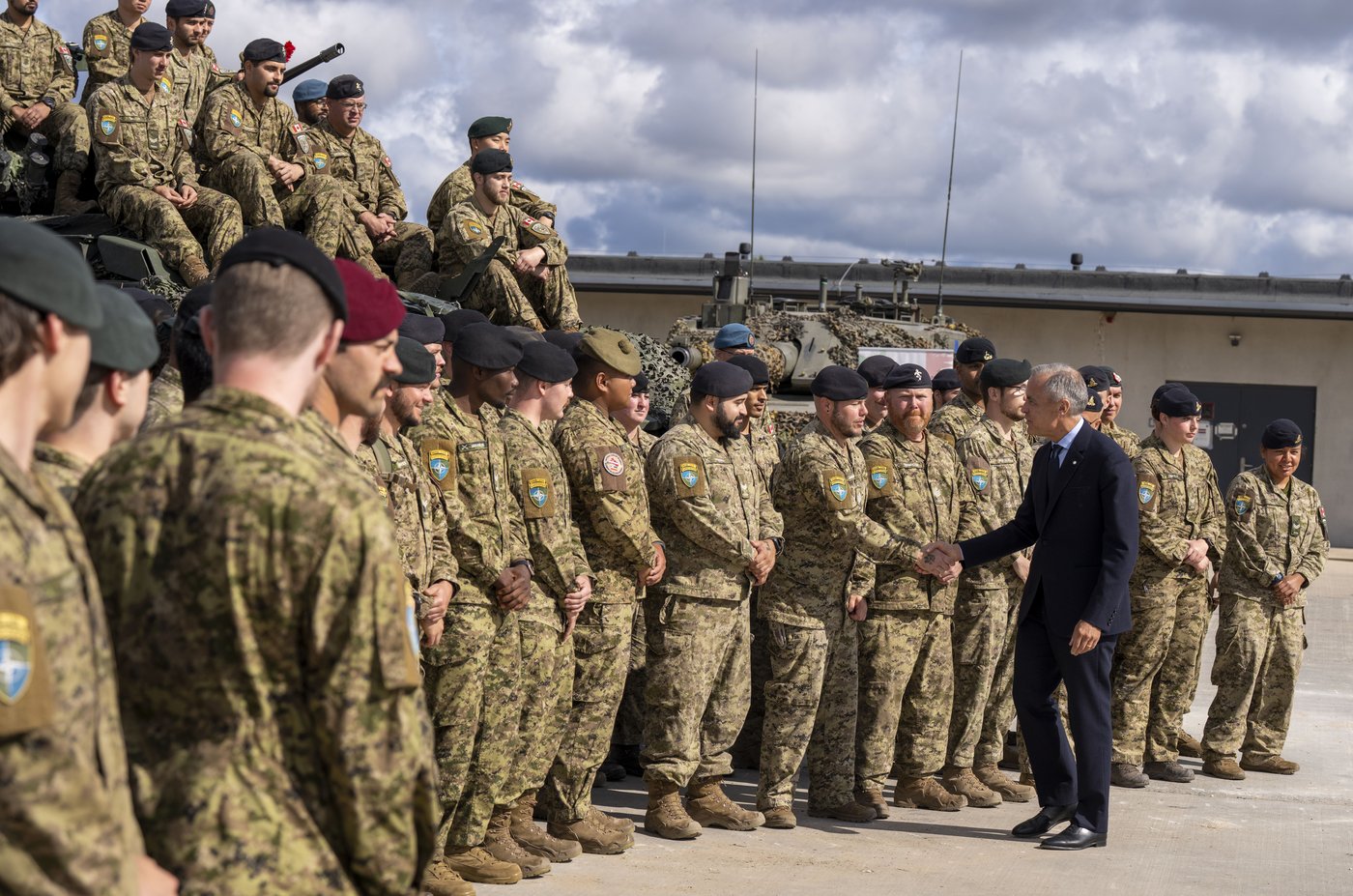
Prime Minister Mark Carney greets the troops as he visits Adazi Military base in Adazi, Latvia on Wednesday, Aug. 27, 2025. THE CANADIAN PRESS/Christinne Muschi

Fact File: No permanent positions set up during Canadian-led NATO exercise in Latvia

Nov 9, 2026 | 3:00 PM

A social media post last week claimed that a Canadian-led military exercise in Latvia was a prelude to war with Russia. The post included a map of Latvia showing where the brigade was purportedly establishing permanent defensive positions along the border with Russia. However, a spokesperson for the Canadian military dismissed the claim, saying the NATO exercise was intended to demonstrate the brigade’s ability to conduct operations in complex terrain, not to establish permanent positions.

THE CLAIM

The Nov. 3 post on the X platform claims Prime Minister Mark Carney sent about 2,000 Canadian troops and 1,000 troops from 14 NATO countries to establish permanent defensive positions along Latvia’s border with Russia, using a NATO military exercise as cover.

The user provided details — some of which appeared to be drawn from a Nov. 2 report by CTV journalists embedded with Canadian Forces — about the brigade involved in the exercise, its movements and its positions along the Russian border.

“He’s digging in on sending us to war,” the post said about Carney.

In a followup comment, the user questioned the official explanation given for the exercise: “‘It’s a temporary exercise’ like COVID was ‘2 weeks.’ They’re being sent to BUILD PERMANENT defensive structures. You think they will sit unmanned?” The user cited as evidence a comment from a Canadian officer in the CTV report that Canada’s military posture in eastern Latvia is “ready-to-defend.”

THE FACTS


Asked about the claim, a spokesperson for the Canadian military said the training exercise “was not intended to establish a permanent defensive position near the Latvia-Russia border.”

Lt. Michaël Debled said in emailed comments that the goal of the Resolute Reforger exercise, which ended Sunday, was to demonstrate the brigade’s ability to operate in complex settings in eastern Latvia. It was “an opportunity to validate the brigade’s ability to move, sustain, and co-ordinate forces in realistic operational environments,” he said.

He noted that the brigade has maintained a “sustained and visible NATO presence in eastern Latvia” since April, but that is separate from the recent training exercise. “Through regular engagement with local communities, it contributes to deterrence, strengthens relationships with the population and demonstrates NATO’s commitment to collective defence,” he said.

Debled confirmed that the troop numbers contained in the claim were correct.

“Approximately 2,000 military personnel and hundreds of vehicles were transported by road and rail from the Adazi and Ceri military bases to various locations across eastern Latvia between Oct. 26 and Nov. 8,” he said.

The spokesperson said the exercise and the brigade’s presence are part of Operation Reassurance, a Canadian-led NATO mission aimed at deterring Russian aggression in eastern Europe.

According to the Canadian government’s website, the Canadian Armed Forces has gradually built up its presence and expanded its role in Latvia since June 19, 2017, as part of this operation.

Today, the Canadian Forces are based at Camp Adazi with around 2,000 soldiers. The Canadians lead a multinational brigade including about 1,000 personnel from over a dozen other NATO countries.

The operation is the Canadian Forces’ largest overseas mission, involving the deployment of land troops, ships and air support.

In the Nov. 2 CTV News report, the brigade’s commander, Lt.-Col. Simon Mailloux, said Canada’s military posture in the east has changed from “deterrence ” to “ready-to-defend.” However, the interview did not mention any plan for the brigade to establish permanent positions along the border.

This report by The Canadian Press was first published Nov. 9, 2026.

Timon Johnson, The Canadian Press