STAY CONNECTED: Have the stories that matter most delivered every night to your email inbox. Subscribe to our daily local news wrap.
Histoplasmosis caused by fugus, contaminated soil

New study shows cases of rare pulmonary disease contracted in Alberta for first time

Mar 18, 2021 | 1:20 PM

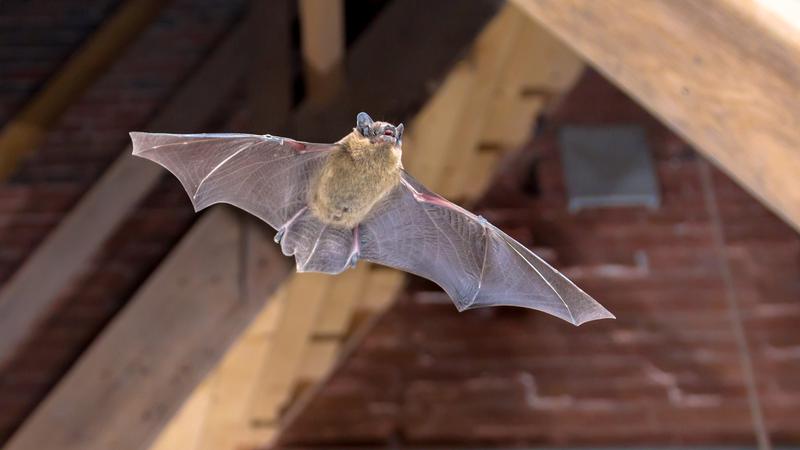
A rare pulmonary disease linked to fungus grown in soil contaminated with bird and bat droppings has been contracted in Alberta for the first time.

A new study by infectious disease experts at Alberta Precision Laboratories and the University of Alberta has confirmed that 45 cases of histoplasmosis were contracted within the Wild Rose Province between 2011 and 2018.

Histoplasmosis is contracted by inhaling spores from the fungus.

The University of Alberta’s Dr. Ilan Schwartz says infections have never before been seen starting in Alberta.

“Because soil is so different around the world, this is a fungus that is geographically restricted. The area of geographic distribution was previously appreciated to include the Eastern area of Canada and the United States, particularly along the St. Lawrence riverways and the Ohio River Valley, and in Latin America where it’s particularly prevalent,” says Schwartz.

“The finding of our study is that: although cases of histoplasmosis have been long diagnosed in the province, we previously had associated these infections with travel and with returning travellers, particularly to areas of Latin America or the United States or in Eastern Canada.

“What we demonstrated is the fungus has been acquired locally in a number of different locales across the province, from the southern parts of Alberta all the way to north of Edmonton, and that these cases were occurring in individuals who had no history of travel.”

He adds because the disease can only be caught by inhaling the spores from the fungus, there have been cases of multiple people becoming infected while demolishing or renovating old buildings where bats and birds were living.

Histoplasmosis can be difficult to diagnose as it presents itself with a wide range of symptoms from basic flu-like symptoms to more chronic symptoms that are more difficult to place, including persistent fever; weight loss; and symptoms that mimic bacterial pneumonia or even cancer.

Because of its wide range of possible symptoms, the only way to confirm a case of histoplasmosis is through a lab test. Schwartz encourages doctors across the province to take note and be aware of any patients showing symptoms. He also says because it requires testing to be confirmed, it’s likely there were more than just the 45 cases confirmed in lab tests.

Histoplasmosis cannot be transmitted from person to person and typically does not require treatment, as the infection usually resolves itself without issue. However, in severe cases, such as in people who are immunocompromised, the disease is treatable with anti-fungal medication prescribed by a doctor.

Schwartz adds that people can also protect themselves from becoming infected by the fungus by wearing an N-95 respirator in areas contaminated by bat and bird droppings, such as in old buildings that are being demolished, renovated or cleaned.

Schwartz also adds the data on histoplasmosis contractions within Alberta only go back as far as 2011 because that’s when the disease first became a reportable illness, meaning the researchers cannot be certain how recently this trend of infections developed.

The study was published this month in the medical journal The Lancet Microbe.