STAY CONNECTED: Have the stories that matter most delivered every night to your email inbox. Subscribe to our daily local news wrap.

Lutnick calls Carney’s speech ‘political noise’ and cautions Canada on China deal

Jan 22, 2026 | 9:45 AM

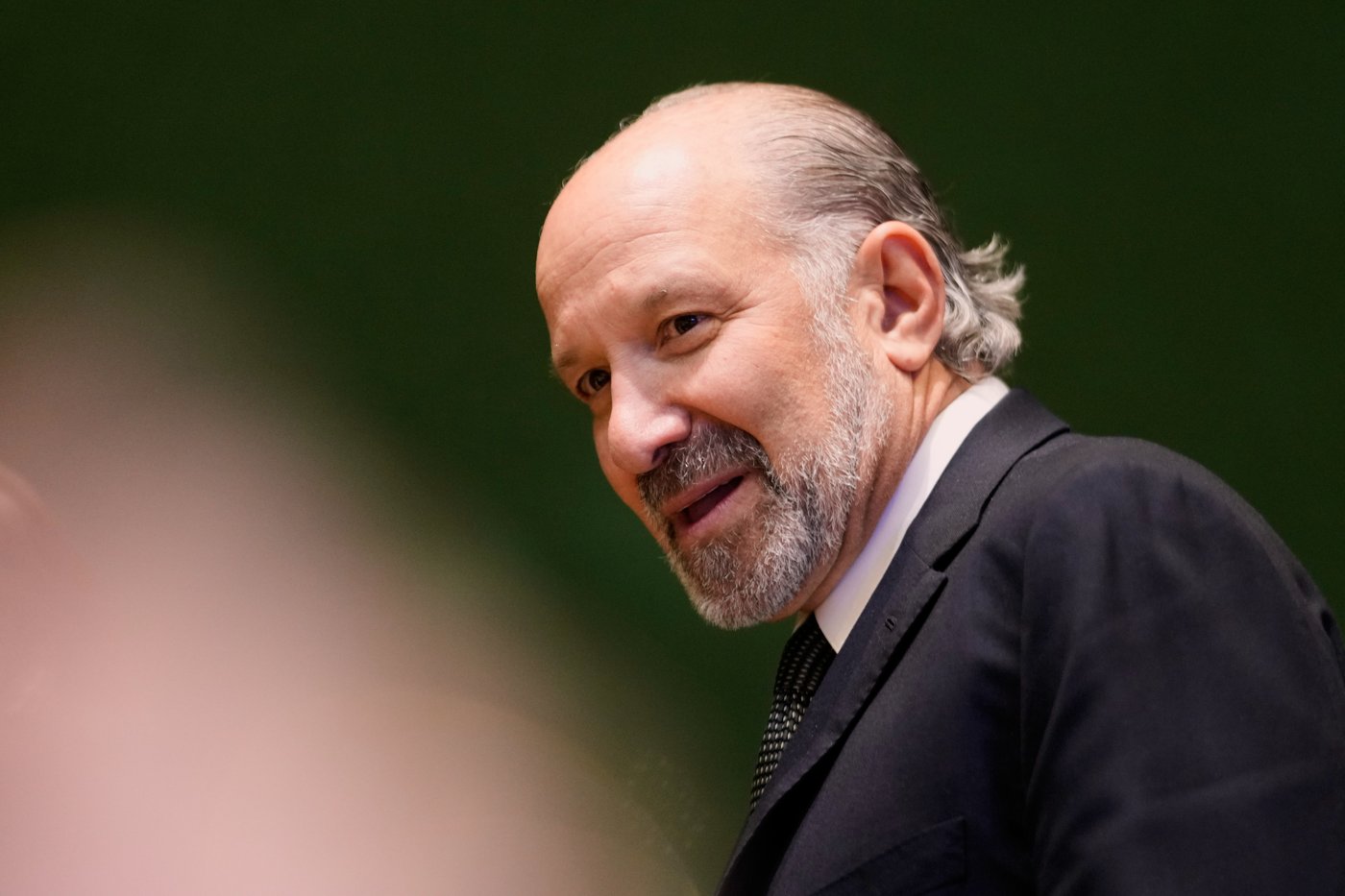
WASHINGTON — U.S. Commerce Secretary Howard Lutnick called Prime Minister Mark Carney’s speech at the World Economic Forum “political noise” on Thursday and criticized Canada’s recent deal with China.

“Give me a break,” Lutnick said on Bloomberg TV. “They have the second best deal in the world and all I got to do is listen to this guy whine and complain.”

In his Tuesday speech at the WEF summit in Davos, Switzerland — which was applauded internationally — Carney warned that the old world order is dead and urged middle powers to band together as larger ones try to pressure them through economic coercion.

Canada has been shielded from the worst impacts of U.S. President Donald Trump’s tariffs by the Canada-U.S.-Mexico Agreement on trade, known as CUSMA.

Trump increased tariffs on Canada to 35 per cent last August but those duties don’t apply to goods that comply with the trilateral trade pact. Canada is still being hammered by separate sector-specific tariffs on industries like steel, aluminum, automobiles, lumber and cabinets.

Lutnick warned that Ottawa’s recent deal with China could upend CUSMA negotiations, which have started ahead of a mandatory review this year. That deal will see China lower agricultural tariffs in exchange for Canada opening some market access for Chinese electric vehicles.

Lutnick said Canada is “playing with a set of rules that they haven’t really thought through.” The commerce secretary went on to praise how the United States is doing deals with China.

Asked about Lutnick’s comments by reporters in Quebec City, Finance Minister François-Philippe Champagne said each G7 country has found a strategic path forward with Beijing and Canada is no different.

“I’d say that the prime minister said a lot of things that people thought and he had the courage to say it loud,” Champagne said.

Carney’s speech sent ripples throughout the international community and his comments were widely cited by European leaders warning about a fundamental rupture in long-standing trade and defence relationships.

California Gov. Gavin Newsom — who is laying the groundwork for a possible Democrat presidential run — told the forum that multiple leaders in the United States sent him transcripts of Carney’s speech.

German Chancellor Friedrich Merz, echoing Carney’s remarks, said “we are not at the mercy of this new world order.”

“We do have a choice,” Merz said Thursday. “We can shape the future.”

Despite Trump’s demands for ownership of Greenland — a sovereign territory of the Kingdom of Denmark — and his repeated tariff threats, Lutnick maintained the United States still has a good relationship with Canada and Europe.

U.S. Trade Representative Jamieson Greer did not express concern about the statements by Carney and European leaders at the Davos forum. He told Fox News there is a “new world order” emerging and European officials are starting to recognize it.

“We are entering into a period where some of the economic rules of the past are no longer effective, where some of the security arrangements may need to be rearranged,” he said. “So there is an acknowledgment of that.”

Trump’s actions against traditional allies have rattled members of the North Atlantic Treaty Organization.

Lately, Trump has been claiming that he’s not sure if NATO members would come to the United States’ aid if needed. Trump took it a step further Thursday when, in an interview with Fox Business, he said that “we’ve never really asked anything of them.”

“They’ll say they sent some troops to Afghanistan, or this or that, and they did — they stayed a little back, a little off the front lines,” Trump said.

NATO’s Article 5, its collective defence clause, has been triggered only once — by the United States following the attacks on Sept. 11, 2001.

NATO members fought alongside Americans in Afghanistan. More than 40,000 Canadian Armed Forces members served there and 158 Canadian soldiers died.

This report by The Canadian Press was first published Jan. 22, 2026.

— With files from David Baxter in Ottawa

Kelly Geraldine Malone, The Canadian Press